
What a 1,300-Acre Datacenter Means for Fort Meade
Project Overview
Developer: Stonebridge (headquartered in Bethesda, Maryland)
Location: West of State Road 17, northern edge of Fort Meade
Site: Former phosphate mine — approximately 1,300 acres, ~2 square miles
Scale: 4.4 million sq ft across 8 industrial buildings
Power: Over 1 gigawatt at full capacity
Estimated value: $2.6 billion — profits leave Fort Meade; costs stay
The Threat
Our Water Is Not Theirs to Take
Some hyperscale datacenters use up to 5 million gallons of water per day for cooling. By 2028, U.S. datacenter water needs could equal the indoor needs of 18.5 million households. In one Georgia county, taps ran dry after a tech giant began building a datacenter — and water rates rose 33% in two years.
Over 1 Gigawatt of Power
This facility would consume over 1 gigawatt of energy at full capacity — enough to power hundreds of thousands of homes — running 24/7. A single hyperscale AI datacenter can consume as much energy as 100,000 households. That demand drives up utility costs for everyone in the region.
The Noise Never Stops
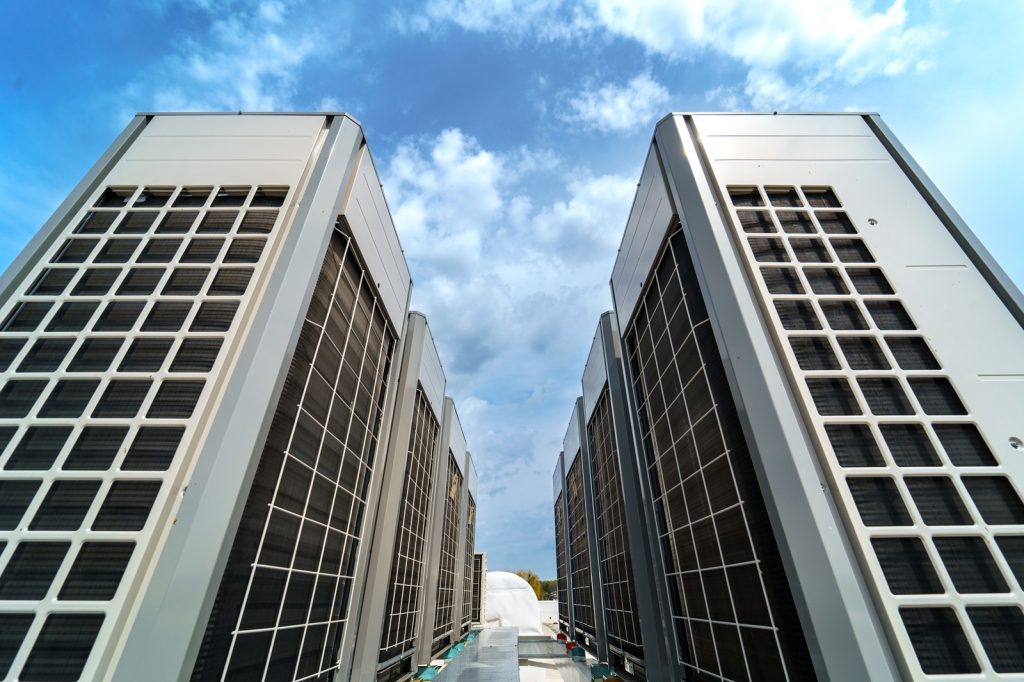
Residents near datacenters describe the sound of cooling systems as like a lawnmower running 24 hours a day. Low-frequency noise is a documented public health risk linked to cognitive impairment, elevated stress, and cardiovascular harm. Fort Meade is a quiet town. We intend to keep it that way.
Forever Chemicals
Many datacenter cooling systems use PFAS — toxic 'forever chemicals' — that can contaminate soil and water. There are significant gaps in information about what chemicals Stonebridge plans to use. The site borders our Peace River watershed.
Our Town Is Not a Sacrifice Zone
Fort Meade has over 300 homes on the National Register of Historic Places. Zoning had to be invented from scratch to allow datacenters in our city. Residents weren't notified before the original 5-0 zoning vote in June 2025.
The Jobs Promise Is Hollow
After construction, even the largest datacenters typically employ fewer than 150 permanent workers. In Virginia, one datacenter job created in the last five years required $54 million in public investment — 168 times the average cost per job in the state.
Fort Meade Is Not Alone
What is happening here is part of a broader wave sweeping Florida and the nation. Corporations are targeting small towns with available land and limited political power to build Big Tech’s AI infrastructure. The profits flow out. The costs stay here.
- Palm Beach County postponed a hearing on ‘Project Tango’ — 1.8M sq ft near a residential community
- Lucie County’s planning board voted against recommending a similar rezoning
- Martin County, Citrus County — the proposals keep coming
As of early 2026, community resistance has delayed or blocked an estimated $64 billion worth of U.S. datacenter projects nationwide.
The Law Is Catching Up
Florida Senate Bill 484: Would impose stricter regulations, require public disclosure of resource demands, and keep facilities away from residential areas and schools. Passed the Senate; amended by House and sent back.
AI Data Center Moratorium Act: Introduced March 26, 2026 by Sen. Bernie Sanders and Rep. Alexandria Ocasio-Cortez — would halt all new datacenter construction nationwide until strong national safeguards are in place.
These developments matter. But laws take time. Our community is the last line of defense.
Group
Concerning the Fort Meade Data Center
Address:
Fort Meade, Florida — Polk County
E-mail Address:
watchdogsoffortmeade@gaggle.email